EVENTS
 VIRTUAL ACADEMY
 BOOK YOUR EXAM
 INTERNATIONAL CERTIFICATES
 International Certificates
 International Exams
 Postgraduate Programs
 Study Abroad
 Teachers' Qualifications in Service
 Alumni
 Tourism Training
 Virtual Academy

Postgraduate programs represent advanced levels of academic study that build upon the foundations of an undergraduate degree. These programs are structured to provide in-depth theoretical knowledge, specialized skills, and research capabilities in specific fields of study.
They serve as a critical pathway for graduates who wish to expand their expertise, pursue academic research, or attain higher qualifications that enhance their professional development. By engaging in postgraduate education, learners are able to strengthen their analytical and problem-solving abilities while contributing to knowledge advancement within their chosen discipline.
Within this framework, the National Education Network (NEN) supports the provision of internationally recognized postgraduate programs in collaboration with reputable academic institutions, ensuring access to quality education that meets global standards.

The MBA is one of the world’s most prestigious postgraduate programs, designed to develop advanced skills in business management, strategy, and leadership. It equips professionals with the tools to accelerate career growth, take on senior management roles, or even launch entrepreneurial ventures.
Admission Requirements
Applicants are typically required to submit:


The Principles of Management course introduces students to the essential functions, processes, and principles that form the foundation of effective management. It explores classical and modern theories of management, decision-making models, strategic planning, leadership styles, organizational design, motivation techniques, and performance evaluation. Through real-world case studies and practical exercises, students develop the analytical and interpersonal skills required to become effective managers in today’s competitive global business landscape.

Strategic Management is a core component of the MBA program, focusing on how organizations create and sustain competitive advantage in dynamic business environments. Students will explore frameworks for strategic analysis, formulation, and implementation while examining real-world business cases across industries. The course emphasizes the relationship between corporate vision, leadership, and organizational performance, empowering future leaders to make data-driven, ethical, and innovative strategic decisions.

This course explores the fundamental concepts and tools of marketing management, focusing on how organizations create, communicate, and deliver value to their customers. Students will learn to analyze market opportunities, design effective marketing strategies, and implement marketing plans in competitive environments. Topics include market segmentation, targeting, positioning, product development, pricing, distribution, and promotional strategies.
.jpg)
This course introduces the fundamental concepts and analytical tools required for sound financial decision-making in business organizations. Students will explore the role of finance in corporate strategy, learn how to analyze financial statements, assess investment opportunities, and optimize capital structures. By the end of the course, participants will gain the skills needed to evaluate business performance, manage risk, and maximize shareholder value.
The Human Resource Management (HRM) course explores the essential practices and strategic importance of managing people in modern organizations. Students will learn how HRM aligns with overall business objectives to create a productive, innovative, and sustainable workforce. The course covers advanced techniques in talent acquisition, performance appraisal, compensation strategies, employee engagement, and training & development. It also highlights the role of HR analytics, diversity and inclusion, and the evolving impact of digital transformation on HR processes. By the end of the course, students will be able to design HR policies that foster organizational growth and improve employee satisfaction

Operations Management is the backbone of any business, ensuring that resources are used efficiently to deliver high-quality goods and services. This module introduces learners to the strategic and tactical decisions involved in managing processes, supply chains, quality, and capacity. Students will gain practical insights into optimizing operations, reducing costs, and enhancing customer satisfaction while aligning operational goals with the broader business strategy.
.jpg)
The Business Ethics and Corporate Governance module provides students with an in-depth understanding of moral reasoning, ethical frameworks, and the role of governance in maintaining corporate accountability. It highlights the importance of ethical leadership, stakeholder management, and regulatory compliance in today’s global business environment. Students will learn to identify ethical dilemmas, evaluate real-world case studies, and design governance structures that align with corporate strategy and social responsibility.
To register, click on the “Register” button, select your country, and fill out the online application form. Once submitted, our admissions team will contact you to confirm your details and guide you through the next steps.
You can easily purchase the course through our online store.
Visit the Store section, choose your desired program, and complete the payment securely. You will receive an email confirmation once your enrollment is processed.
Applicants must hold a bachelor’s degree from a recognized institution.
Additional requirements may include:
A valid ID or passport
Updated CV
Yes, selected students may qualify for partial scholarships or special offers depending on their academic background and country of residence.
Please contact our Admissions Office for more information.
Yes. Upon successful completion of all modules and assessments, you will receive an internationally recognized MBA certificate issued by our accredited institution.
The full MBA program typically takes 12–18 months to complete, depending on your chosen study pace and module selection.
The Master of Science in Cybersecurity equips learners with deep technical and managerial knowledge in the field of information security. Covering critical areas such as cryptography, network defense, ethical hacking, and digital forensics, this program blends theory with hands-on practice. Students gain the ability to analyze and mitigate cyber risks, design secure systems, and respond to real-world security incidents.
The degree also emphasizes compliance, governance, and the legal aspects of cybersecurity, ensuring graduates are well-prepared for leadership roles in both public and private sectors. With the growing demand for skilled professionals, this master’s program opens doors to careers in government, finance, healthcare, cloud providers, and global enterprises.
This module serves as the foundation of the Cybersecurity Master’s Program, providing a comprehensive understanding of how to protect information systems from digital threats. Students will explore the rapidly evolving landscape of cyber risks, learn to identify vulnerabilities, and develop strategies to manage and mitigate potential attacks. The module also introduces key frameworks and standards, such as ISO 27001, NIST, and GDPR, helping learners understand how cybersecurity integrates with business continuity and legal compliance. Through case studies and simulated exercises, students will gain hands-on experience in risk analysis, incident response, and policy creation, preparing them for leadership roles in information security.
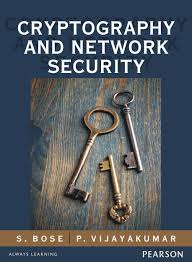
This module focuses on the technical foundations of securing computer networks and protecting communication systems. Students will explore how data travels across networks, the vulnerabilities that exist within those pathways, and how to secure them using encryption and cryptographic methods. Topics include firewalls, VPNs, intrusion detection and prevention systems (IDS/IPS), and the implementation of public key infrastructure (PKI). The module also examines the use of cryptography for data confidentiality, integrity, and authentication, helping learners understand both symmetric and asymmetric encryption algorithms and their real-world applications. Hands-on lab sessions will enable students to configure secure network environments and analyze attack simulations to strengthen their defensive skills.

This module provides a practical, hands-on introduction to offensive security techniques within a strict ethical and legal framework. Students learn reconnaissance, vulnerability discovery, exploitation basics, and post-exploitation procedures using industry tools (e.g., Nmap, Metasploit, Burp Suite) in controlled lab environments. Emphasis is placed on documentation, risk prioritization, and preparing professional penetration-test reports, alongside the legal/ethical responsibilities of testers. By course end, participants are able to conduct authorized assessments, communicate findings to technical and non-technical stakeholders, and recommend appropriate remediation measures.

Cloud and Application Security examines the principles and practices necessary to protect applications and services hosted in cloud infrastructures and distributed environments. The module covers secure software development life cycle (SDLC) practices, threat modeling for applications, common web/mobile vulnerabilities (e.g., OWASP Top 10), and security controls for cloud platforms (IaaS, PaaS, SaaS). Students will gain hands-on experience configuring secure cloud resources, protecting APIs and containers, and hardening CI/CD pipelines. Emphasis is placed on integrating security earlier in development (DevSecOps), detecting runtime threats, and applying governance and compliance controls suitable for cloud-native deployments.
The Cyber Law & Compliance module provides an in-depth understanding of the policies and legal systems that protect digital infrastructure and user data. Students learn how organizations can maintain compliance with global frameworks such as GDPR, ISO 27001, and NIST standards. The course emphasizes risk management, data protection, and ethical decision-making in cybersecurity. Through real-world case studies, learners will develop the ability to assess legal risks, handle incidents within legal boundaries, and design compliance strategies for enterprises operating across multiple jurisdictions.
You can register by clicking the “Register ” button on the official website. Then, select your country, fill out the online application form, and submit your details. You’ll receive a confirmation email once your application is approved.
After registration, visit the Store section on the website, select the Cybersecurity Master’s Program, and click “Buy Now.”
You can complete your purchase using your digital wallet or any supported payment option.
The program aims to build a strong technical and strategic understanding of cybersecurity, equipping learners with the skills to detect, prevent, and respond to cyber threats in both corporate and governmental environments.
Participants will receive an official Master’s Certificate in Cybersecurity, verifying their completion of the program and their professional readiness to work in cybersecurity roles.
The Project Management Professional (PMP) certification, offered by the Project Management Institute (PMI), is recognized globally as the gold standard for project management excellence.
This program equips professionals with the advanced skills and strategic mindset needed to manage projects efficiently from initiation to closure across industries and organizational levels.
Through practical frameworks, case studies, and simulated projects, participants gain a solid understanding of how to align project outcomes with business objectives and stakeholder expectations.
Eligibility Requirements
To qualify for the PMP Certification Program, candidates must meet the following criteria (as per PMI standards):
36 months of project leadership experience (with a degree).
Why Choose the PMP Program with NEN?

The People domain emphasizes the interpersonal and leadership aspects of project management. Participants learn strategies for building high-performance teams, enhancing communication, managing stakeholder relationships, and applying emotional intelligence in a project environment. Through case studies and interactive exercises, learners gain insights into how to effectively lead diverse and cross-functional teams in dynamic project settings.
.png)
The Process module equips learners with a deep understanding of how to manage project activities efficiently. It covers the essential process groups defined by the PMI® framework Initiating, Planning, Executing, Monitoring and Controlling, and Closing. Through case studies and interactive exercises, learners will gain hands-on experience in developing project management plans, managing risks, allocating resources, and tracking performance. By the end of this module, participants will be able to design and execute comprehensive project plans aligned with both organizational goals and international standards.
.png)
The Business Environment module helps participants connect project management practices to the broader context of their organization and industry. You’ll learn how external factors such as market trends, regulations, and sustainability goals affect project decisions. Students will also explore internal governance structures, compliance requirements, and strategies for maintaining business alignment throughout the project life cycle. By the end of this module, learners will be able to: Evaluate how business environment changes impact projects. Integrate sustainability and compliance considerations into project planning. Ensure project deliverables align with organizational strategy.
You can easily register by clicking the “Register ” button on the official page. Then, select your country and complete the online application form. Once your registration is submitted, you will receive a confirmation email with the next steps to activate your account.
After activating your account, go to the Store, select the PMP Program, and click “Buy Now.”
You can complete the payment through your digital wallet or any available payment method.
Yes ✅, the Project Management Professional (PMP) certificate is accredited by the Project Management Institute (PMI) in the United States.
It is one of the most globally recognized certifications in project management.
The program is delivered in English, with additional support and explanations available in Arabic for easier understanding.
The CMI Level 7 Diploma in Strategic Management and Leadership Practice is an advanced qualification designed for senior managers and professionals who are responsible for translating organizational strategy into effective performance. Awarded by the Chartered Management Institute (CMI) the only chartered professional body in the UK dedicated to management and leadership excellence this program equips learners with the strategic insight, leadership competence, and decision-making capability required to lead modern organizations successfully.
Through a blend of theoretical understanding and practical application, participants will explore areas such as strategic planning, innovation management, organizational culture, change leadership, and performance optimization. The course emphasizes real-world implementation, enabling learners to develop actionable strategies that drive business growth and sustainability.
Graduates of this diploma not only gain advanced knowledge and leadership skills but also become eligible for Chartered Manager (CMgr) status the highest professional recognition in management.
Whether you aim to enhance your leadership impact, move into executive management, or establish yourself as a strategic business consultant, this qualification provides the knowledge, confidence, and credibility to achieve those goals.
Why CMI?
CMI is the only organization authorized to award the “Chartered Manager” status, the highest professional recognition in the field of management.
Learners receive CMI Membership during their studies, granting access to exclusive learning resources, leadership tools, and global networking opportunities.
All qualifications are UK-accredited and internationally recognized, enhancing employability and career advancement worldwide.
CMI programs focus on practical management excellence, preparing professionals to lead effectively across industries and cultures.
Partnerships and Pathways with NEN
Through National Education Network (NEN), learners can access accredited CMI programs supported by expert trainers, digital learning tools, and international certification pathways.
NEN facilitates registration, provides exam preparation, and ensures learners meet all academic and professional requirements to obtain a globally recognized CMI qualification.

The Strategic Leadership module explores advanced concepts of leadership and management, emphasizing the ability to influence, motivate, and guide individuals and teams toward achieving long-term organizational objectives. Learners will analyze various leadership theories, evaluate their application in different business environments, and develop a deep understanding of ethical and adaptive leadership. Through case studies and practical exercises, participants will enhance their decision-making and communication skills essential for strategic leadership roles.
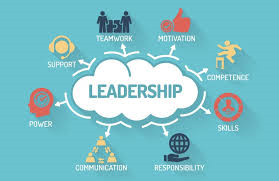
The Leading and Developing People to Optimise Performance module explores the strategic importance of people development as a driver of organizational success. Learners will examine how leadership behaviour, motivation, engagement, and culture impact performance. The module emphasizes designing people strategies that align with business objectives, implementing performance management systems, and fostering continuous professional growth. Students will learn to assess team capability, identify skill gaps, and apply effective learning and development interventions. The unit also encourages leaders to reflect on their personal leadership style, coaching abilities, and ethical responsibilities in managing others. By completing this module, learners will gain the ability to lead teams strategically, manage talent, and create an environment that drives innovation and sustained performance.
.png)
This module focuses on the importance of collaboration and forming partnerships to achieve organizational objectives. It explores how leaders can develop, manage, and evaluate effective internal and external relationships to enhance performance, innovation, and mutual growth. Learners will gain practical insights into stakeholder engagement, communication, and leadership techniques that promote long-term collaboration.
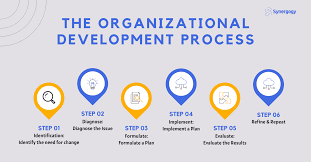
This module explores the strategic processes that enable organizations to achieve their long-term objectives. It focuses on analyzing the internal and external business environment, identifying strategic opportunities, and formulating actionable strategies. Learners will gain the skills to evaluate business performance, manage risk, and align strategies with organizational vision and mission.
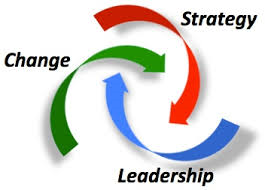
This module focuses on how leaders can effectively plan, lead, and implement strategic change within organizations. Learners will explore models of change management, techniques for overcoming resistance, and strategies to ensure successful transformation. It emphasizes the importance of communication, stakeholder engagement, and adaptability during change initiatives.

This module provides leaders with the financial knowledge and analytical tools required to support strategic decision-making. Learners will develop a deep understanding of financial statements, budgeting, investment evaluation, and risk management. The focus is on interpreting financial data to improve organizational efficiency, profitability, and sustainability.
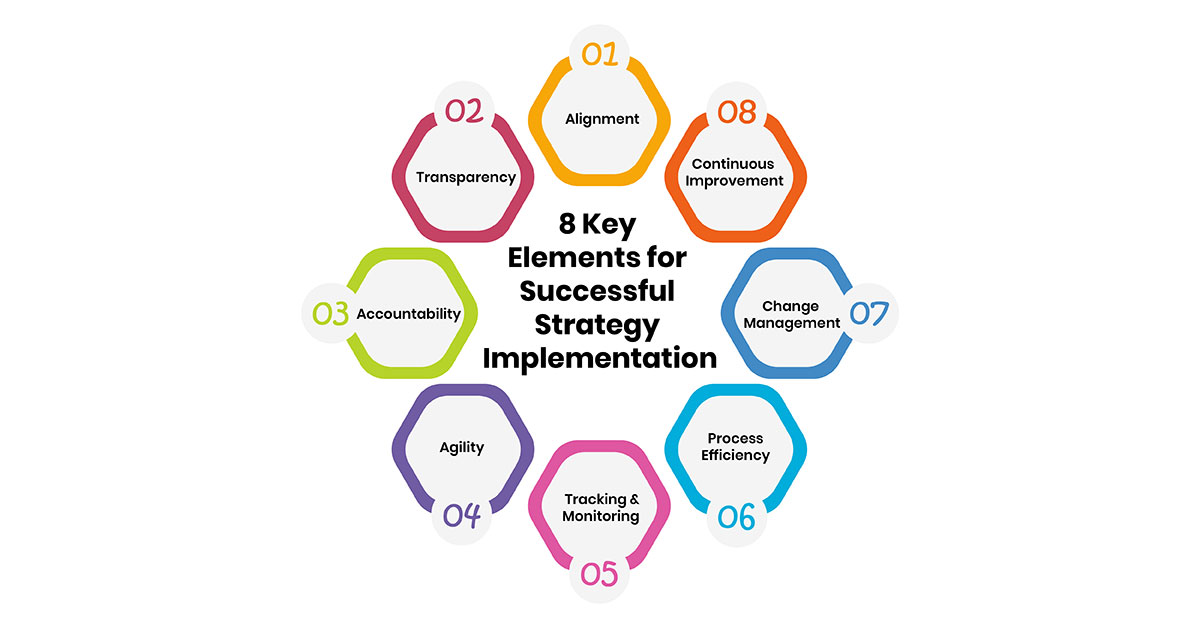
The Implementing Organisational Strategy module equips leaders with the knowledge and tools required to turn strategic goals into tangible results. It emphasizes the practical aspects of executing strategy—allocating resources, managing stakeholders, mitigating risks, and ensuring continuous improvement. Learners explore performance management systems, project alignment, and methods for evaluating strategic outcomes. Through this module, participants gain a deep understanding of how to drive organizational success by effectively implementing, communicating, and refining strategic plans.
Click on the “Register” button, choose your country, and complete the online application form with your details.
Visit the Store section, select your preferred course, proceed to checkout, and complete your payment securely.
The CMI program is open to graduates, professionals, and managers seeking to advance their leadership skills. A background in business or management is recommended but not mandatory.
NEN offers full support throughout your learning journey including registration assistance, course guidance, access to learning materials, and mentorship from certified instructors.
Yes, successful participants receive an official CMI certificate, accredited by the Chartered Management Institute (UK).
Yes, CMI qualifications are recognized globally and highly valued by employers across multiple industries.
Graduates often progress into roles such as project manager, operations manager, business consultant, or senior team leader, among other leadership positions.
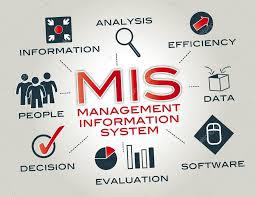
The Master of Information Systems Management (MISM) is a professional postgraduate degree that integrates technology, business, and management. It prepares students to lead IT functions, bridge gaps between technical teams and business decision-makers, and manage complex information systems in modern organizations.
Unlike a pure technical degree (like cybersecurity or software engineering), MISM focuses on strategic, managerial, and organizational aspects of information systems making it ideal for future IT leaders and managers.
.jpg)
This module explores the role of information systems in modern organizations, focusing on how data and technology drive strategic business decisions. Students will learn about system types, infrastructure, and the integration of IT into business processes.
.jpg)
This module teaches students how to govern data, ensure its quality, and leverage analytics for business decisions. It covers data management frameworks, analytics tools, and reporting strategies.
.jpg)
This module provides an overview of cybersecurity, risk management, and best practices in safeguarding digital assets. Students will explore policies, procedures, and security frameworks.
.jpg)
This module equips students with project management methodologies and tools to plan, execute, and evaluate IT projects. It also addresses digital transformation strategies for modern businesses.
This program is suitable for:
University graduates in business, IT, engineering, or related fields
Professionals working in technology, operations, or management roles
Individuals aiming to move into IT leadership or digital transformation positions
The MISM program helps participants:
MISM is a professional master’s-level program with a strong practical focus. It emphasizes real-world applications, case studies, and industry-relevant skills rather than purely theoretical research.
Yes. The MISM degree is offered by accredited universities worldwide. Recognition depends on the awarding institution, which is typically accredited by official higher education authorities and, in many cases, professional bodies related to business and information systems.
Graduates can pursue roles such as:
Information Systems Manager
IT Project Manager
Business Systems Analyst
Digital Transformation Manager
IT Consultant
Chief Information Officer (CIO) (with experience)
To register for the program:
The AI & Data Science Master Program is a postgraduate-level professional program for graduates, professionals, and tech enthusiasts seeking to specialize in Artificial Intelligence, Machine Learning, and Data Analytics.
This program combines theory, practical exercises, and real-world projects to equip participants with skills required for global AI & Data Science roles.

This module introduces learners to the core principles of Artificial Intelligence and Data Science, explaining how data fuels intelligent systems and how AI technologies are reshaping modern industries.
.jpg)
This module focuses on data analysis techniques and visualization tools used to extract insights from structured and unstructured data.
.jpg)
This module introduces Machine Learning concepts, algorithms, and workflows, focusing on practical understanding rather than deep mathematical complexity.
.jpg)
This module dives into applied AI, introducing learners to advanced AI use cases used in modern organizations.
This program is suitable for:
University graduates in IT, Computer Science, Mathematics, or related fields
Professionals seeking a career in AI or Data Science
Anyone looking to gain internationally recognized AI & Data Science credentials
#CareerGrowth #ProfessionalDevelopment
Yes. The program includes:
Click the “Register” button on the program page
Select your country from the dropdown menu
Complete the online application form
Submit and wait for confirmation